THE IDEA
A curve with a sudden dip
Mori plotted affinity against human likeness. The line climbs steadily, then plunges into the valley just before perfect human form.
Walk the valley doodlereplicant
Start
THE SCIENCE OF EERIE
A dip in the graph where liking turns to unease.
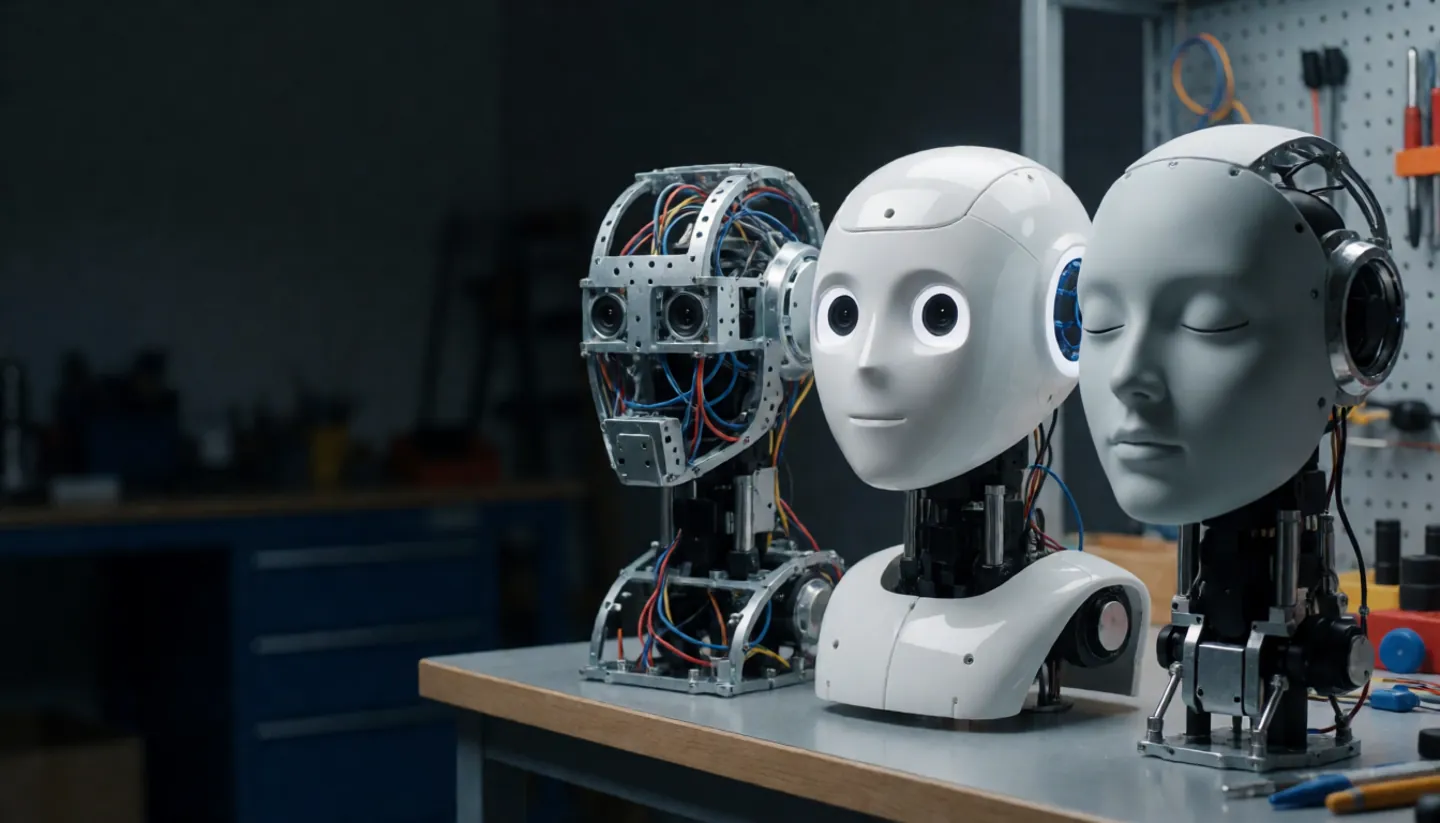
In 1970 the Japanese roboticist Masahiro Mori suggested that our affinity for a robot rises as it looks more human, then plunges just before it looks fully human. Half a century on, researchers still argue about why, but a large study of real robot faces found the dip.
SINCE 1970Mori's valley of eeriness
Walk the valleyKeep in mind
THE SHORT ANSWER
The valley is a shape on a graph.
The explanation is still debated.
THE IDEA
Mori plotted affinity against human likeness. The line climbs steadily, then plunges into the valley just before perfect human form.
Walk the valleyTHE EXAMPLE
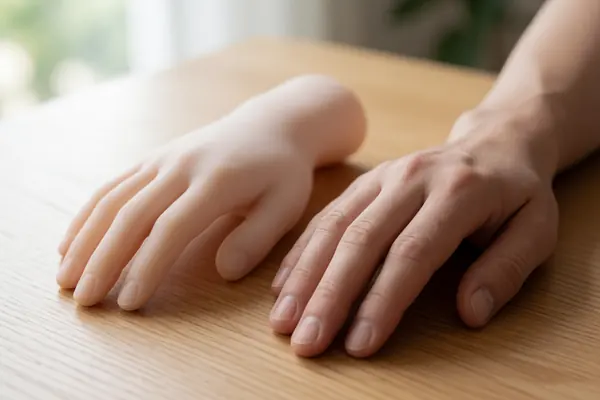
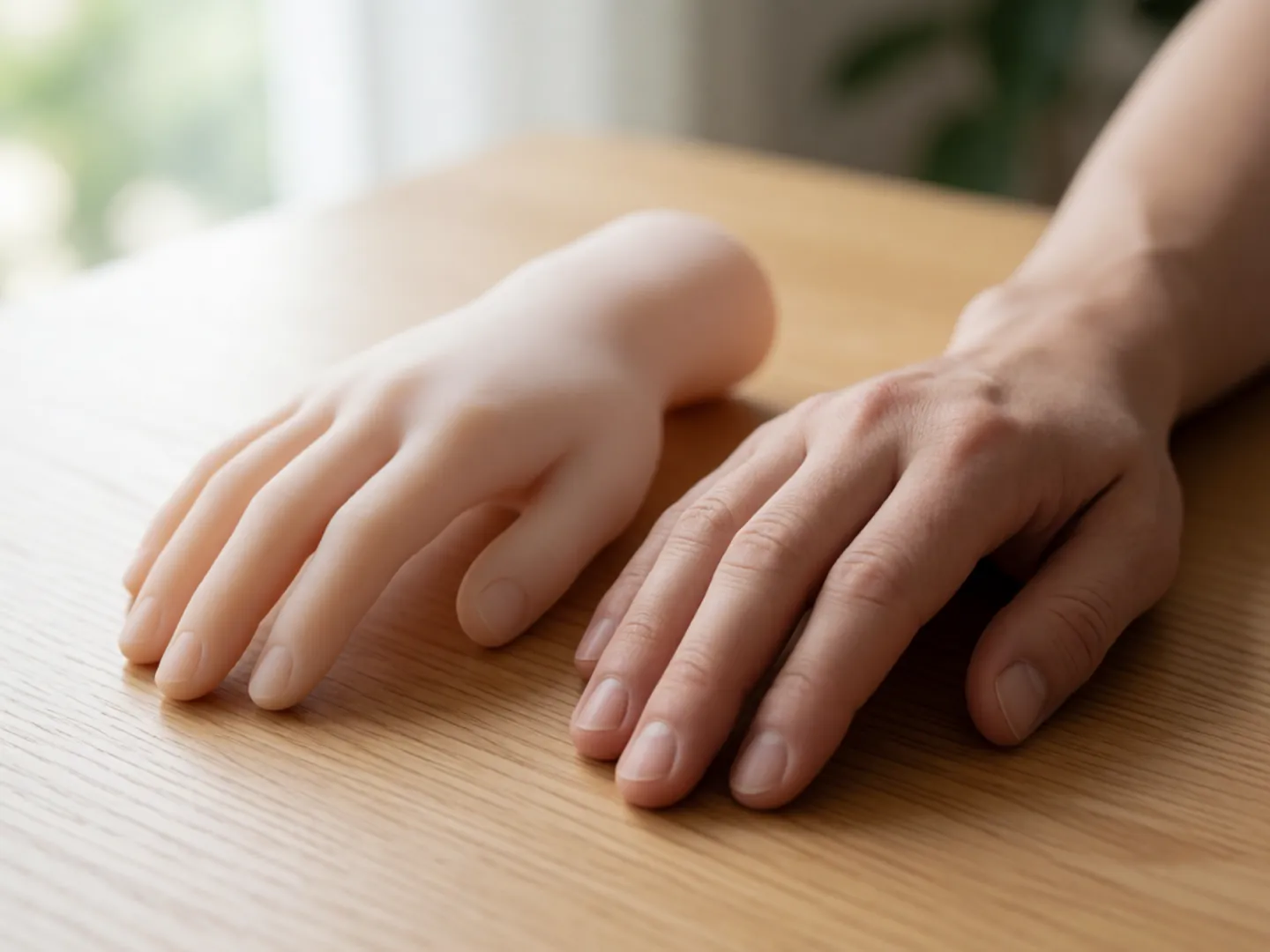
Mori's example was a prosthetic hand that looks human but feels stiff and cold to the touch: realism mixed with something not quite human.
See the numbersTHE WORD
His 1970 title, Bukimi no Tani, is closer to valley of eeriness. The English phrase uncanny valley first appeared in a 1978 robotics book.
Read the storyWALK THE VALLEY
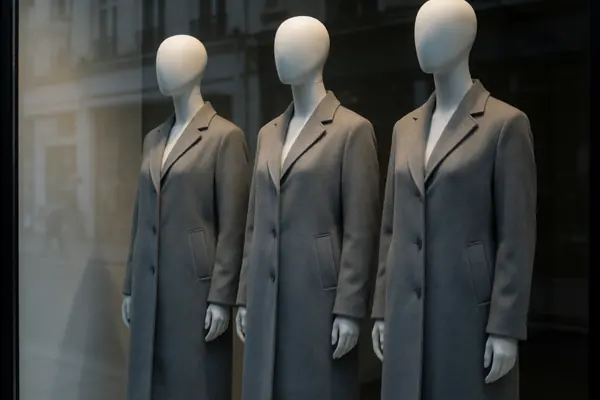
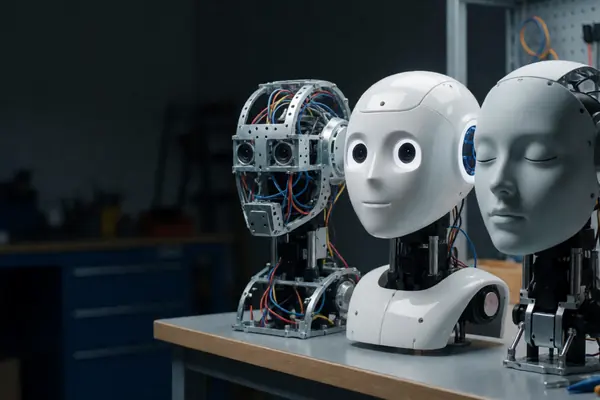
Pick a kind of face to see where it falls on the curve. The bar shows how strongly people disliked faces like it in Mathur and Reichling's study of 80 real robot faces.
Based on Mathur and Reichling's experiments as summarised by the authors in Atlas of Science, and Mori's essay as described by Fermat's Library.
TWO NUMBERS WORTH KNOWING
One figure on how far the idea spread,
one on the study that tested it.
10,000+
English-language articles and chapters using the idea
An article in The Asia-Pacific Journal notes the concept appeared in over ten thousand English-language articles and chapters in a decade, and questions its almost natural-law status.
REACH · ASIA-PACIFIC JOURNAL
80
Real humanoid robot faces people rated
The faces ran from completely mechanical to indistinguishably human. Likability ratings traced the predicted valley, and a tightly controlled set of 6 faces confirmed it.
THE TEST · MATHUR AND REICHLING
Earlier experiments had given inconsistent results, often comparing a few selected robots or digitally morphed faces. Using many real robots was meant to get around those limits.
WHAT DESIGNERS TAKE FROM IT
The valley started as a warning to robot builders. These are the practical points the sources draw out.
Step 1
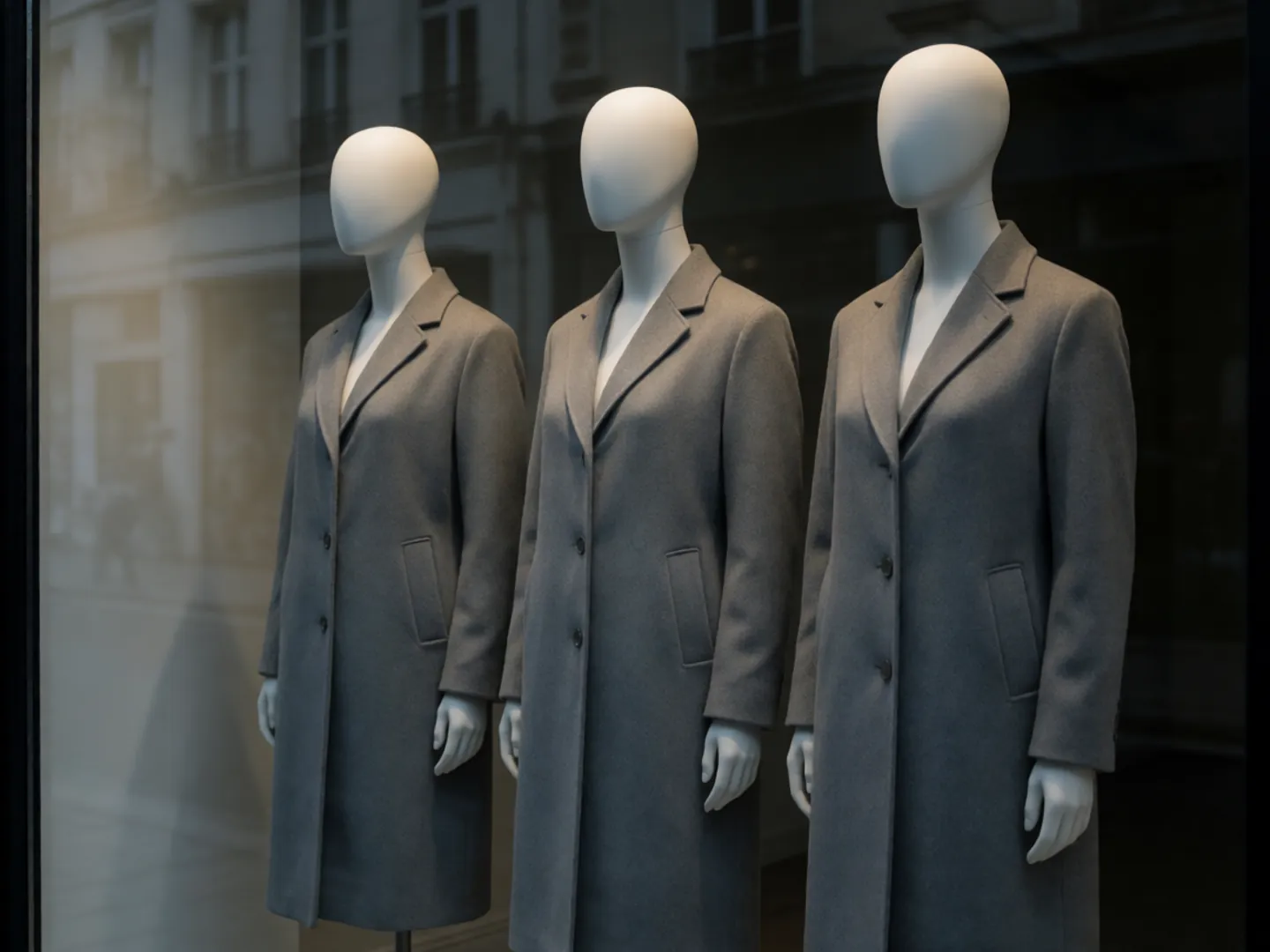
Mori offered the effect as a reason to avoid building robots that try to look fully human.
Step 2
Eeriness comes from human realism combined with nonhuman features, like a lifelike hand that feels cold.
Step 3
Motion makes a near-human figure feel more unsettling than the same figure standing still.
Step 4
In the face study, people were less willing to trust valley robots, though expression and emotion mattered too.
LOST IN TRANSLATION
Mori's essay appeared in a Japanese journal called Energy. The first English translation was done in about an hour in a Japanese robotics lab in 2005, for personal reference, and spread widely anyway.
Karl MacDorman, one of the translators, revised it carefully in 2012. The hardest word was shinwakan, rendered as familiarity, likableness, comfort level or affinity, which MacDorman describes as the feeling of being in the presence of another human being.
Questions
The idea, proposed by roboticist Masahiro Mori in 1970, that our affinity for a robot or figure rises as it looks more human, then drops sharply when it looks almost, but not quite, human.
It was controversial because experiments disagreed. A study by Mathur and Reichling using 80 real robot faces found likability ratings that matched the predicted valley, and confirmed it with a controlled set of 6 faces.
Researchers still disagree. One common idea is that near-human figures seem stuck between inanimate and animate; MacDorman describes the uncanny as the moment a sense of human connection falls apart.
Many researchers say not. MacDorman sees it as a metaphor for how the eerie feeling arises when human realism is combined with nonhuman features.
The English phrase first appeared in Jasia Reichardt's 1978 book Robots: Fact, Fiction, and Prediction, which is why the essay is sometimes wrongly dated to 1978.
Destination
Updated
ABOUT THIS NAME
doodlereplicant.com is part of the DoodleSale portfolio. It isn't in an auction right now, but you can ask about leasing it.